


Introduction
Top Digital Tools for Classroom and Remote Learning have completely reshaped modern education systems across the world. In today’s digital era, both teachers and students rely heavily on technology to make learning more flexible, interactive, and efficient. These tools are not just optional anymore; they are becoming a core part of how education is delivered in schools, colleges, and even training institutes.
With the rise of online classes and hybrid learning environments, educators need reliable platforms that can support communication, collaboration, and content delivery. Students also expect a smooth learning experience where they can access lectures, assignments, and study materials anytime. This shift has made digital education tools extremely important for academic success.
Another major reason behind their popularity is accessibility. Learners from different regions can now attend the same class without being physically present. This removes geographical barriers and creates equal opportunities for education. Furthermore, these tools help teachers save time by automating tasks like grading, attendance tracking, and performance analysis.
In short, Top Digital Tools for Classroom and Remote Learning are transforming traditional education into a more connected, efficient, and student-friendly system that meets the demands of modern learners.
What is Top Digital Tools for Classroom and Remote Learning?
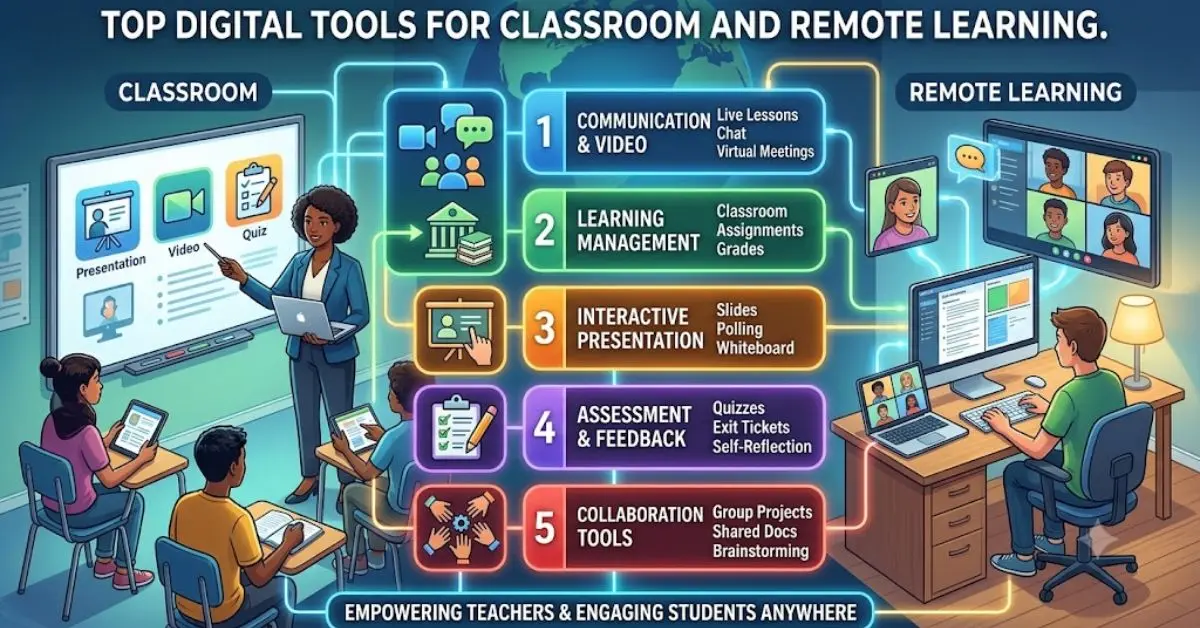
Top Digital Tools for Classroom and Remote Learning refer to digital platforms, software applications, and online systems designed to support teaching and learning activities in both physical and virtual environments. These tools include video conferencing apps, learning management systems, collaboration platforms, and assessment tools.
Teachers use these tools to deliver lectures, share resources, assign homework, and evaluate student performance. Students use them to attend classes, submit assignments, participate in discussions, and access learning materials from anywhere in the world.
Some popular examples include virtual classrooms, cloud storage systems, interactive whiteboards, and quiz-based learning applications. Together, they create a complete digital learning ecosystem.
Why is Top Digital Tools for Classroom and Remote Learning Important?
The importance of Top Digital Tools for Classroom and Remote Learning cannot be ignored in today’s education system. They offer flexibility, efficiency, and engagement, which are essential for modern learners.
Firstly, they provide flexibility. Students can learn at their own pace without being restricted by time or location. Secondly, they enhance engagement by using videos, animations, quizzes, and interactive discussions that make learning more interesting.
Another key benefit is efficiency. Teachers can manage large classrooms easily, track student progress, and automate repetitive tasks. This allows them to focus more on teaching rather than administrative work.
Moreover, these tools promote collaboration. Students can work together on group projects, share ideas, and communicate in real time, even if they are miles apart.
Detailed Step-by-Step Guide
Step 1: Selecting the Right Tool
Choosing the right platform is the foundation of effective digital learning. Educators should analyze their needs, class size, and subject requirements before selecting any tool.
Step 2: Setting Up the Learning Environment
After selecting the platform, teachers need to set up virtual classrooms, upload course materials, and organize learning modules in a structured way.
Step 3: Integrating Digital Content
Teachers should include videos, presentations, quizzes, and interactive content to make lessons more engaging and easy to understand.
Step 4: Student Engagement Strategies
Engagement is very important. Teachers can use live polls, breakout rooms, group discussions, and gamified quizzes to keep students active.
Step 5: Monitoring Performance
Digital tools provide analytics and reports that help teachers track student performance and identify areas for improvement.
Step 6: Continuous Improvement
Teachers should regularly update content and improve teaching methods based on feedback and performance data.
- Benefits of Top Digital Tools for Classroom and Remote Learning
- Improved communication between teachers and students through instant messaging and live classes.
- Flexible learning schedules that allow students to learn anytime.
- Increased engagement through interactive multimedia content.
- Easy access to learning materials stored in cloud systems.
- Automated grading systems that save time and reduce workload.
- Better collaboration among students through group tools and shared documents.
- Enhanced learning experience through personalized content delivery.
- Disadvantages / Risks
- Heavy dependence on internet connectivity can disrupt learning.
- Excessive screen time may affect students’ health and focus.
- Technical issues such as software crashes or login problems.
- Lack of physical interaction may reduce social skills development.
- Some students may face difficulty adapting to new technologies.
- Common Mistakes to Avoid
One common mistake is using too many platforms at once, which confuses students and reduces efficiency. Another mistake is not providing proper training to teachers and students before implementation.
Some educators also ignore feedback from students, which can lead to poor learning experiences. Additionally, not updating content regularly can make lessons outdated and less effective.
FAQs
What are Top Digital Tools for Classroom and Remote Learning used for?
They are used to improve teaching methods, support remote education, and enhance student engagement through digital platforms.
Are these tools suitable for beginners?
Yes, most tools are designed with simple interfaces so beginners can easily understand and use them.
Do these tools require special training?
Basic training is recommended to help users understand features and improve efficiency.
Can they replace traditional classrooms completely?
No, they are meant to support and enhance traditional learning, not fully replace it.
Are these tools expensive?
Many tools offer free versions, while advanced features may require paid subscriptions.
What skills are needed to use them?
Basic computer skills and internet knowledge are enough to start using them effectively.
Can digital tools improve student performance?
Yes, when used correctly, they help students understand concepts better through interactive and visual learning methods.
Are digital classrooms safe for children?
Most platforms include privacy and security features, but supervision from teachers and parents is still important.
Do these tools support special education?
Yes, many platforms offer accessibility features like captions, screen readers, and simplified interfaces.
What internet speed is required?
A stable broadband connection is recommended for smooth video classes and content sharing.
Can parents track student progress?
Yes, many systems allow parents to monitor assignments, grades, and attendance.
Is mobile learning effective?
Yes, mobile-friendly tools allow students to learn anytime, making education more flexible.
Expert Tips & Bonus Points
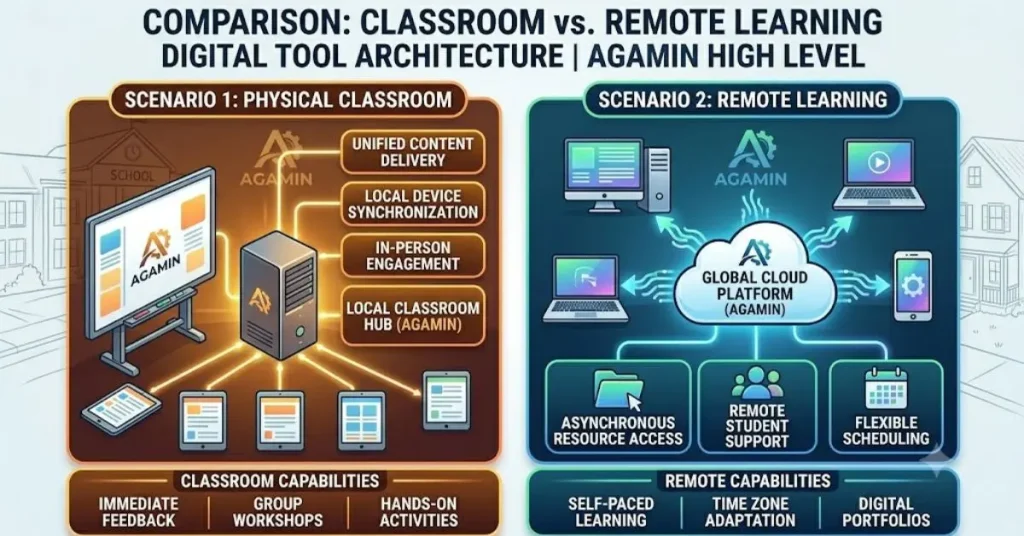
Experts recommend starting with one or two reliable platforms instead of using multiple tools at once. Consistency is key in digital learning environments.
Teachers should also focus on interactive teaching methods rather than just uploading content. Regular feedback sessions can help improve the learning experience significantly.
Conclusion
Top Digital Tools for Classroom and Remote Learning are playing a major role in shaping the future of education. They provide flexibility, accessibility, and improved communication between teachers and students.
As education continues to evolve, the demand for digital learning platforms will only increase. Schools and institutions that adopt these tools early will have a strong advantage in delivering quality education.
In the end, technology is not replacing teachers but empowering them. With the right approach, these tools can create a more engaging, efficient, and inclusive learning environment for everyone involved.
Popular Digital Tools Used in Modern Education
In today’s learning environment, several platforms stand out as essential components of Top Digital Tools for Classroom and Remote Learning. These tools support communication, organization, and engagement in both physical and virtual classrooms.
Learning Management Systems (LMS)
Platforms like Google Classroom, Moodle, and Canvas help teachers manage assignments, distribute study materials, and track student progress. They provide a structured environment where all learning activities are organized in one place.
Video Conferencing Tools
Applications such as Zoom and Microsoft Teams enable live classes, webinars, and group discussions. These tools make remote learning feel more interactive and closer to real classroom experiences.
Collaboration Tools
Tools like Notion, Trello, and Google Docs allow students to work together on projects in real time. They improve teamwork and communication among learners.
Assessment Platforms
Quiz-based tools such as Kahoot and Quizizz help teachers conduct interactive tests. These platforms make learning fun while also evaluating student understanding effectively.
Expanded Step-by-Step
Step 1: Understanding Learning Objectives
Before selecting any digital tool, educators must clearly define learning objectives. This ensures that technology is used to support educational goals rather than distract from them.
Step 2: Training Teachers and Students
Proper training is essential for successful implementation. Both teachers and students should understand how to use the selected platforms efficiently.
Step 3: Creating Structured Lessons
Lessons should be divided into clear modules with proper sequencing. This helps students follow the course easily without confusion.
Step 4: Encouraging Active Participation
Teachers should encourage students to actively participate in discussions, quizzes, and group activities. This improves engagement and understanding.
Step 5: Using Analytics for Improvement
Most digital tools provide data insights that show student performance trends. Teachers can use this data to improve teaching strategies.
Step 6: Maintaining Consistency
Consistency in using platforms helps students become familiar with tools and reduces learning difficulties over time.
Expanded Benefits
The advantages of Top Digital Tools for Classroom and Remote Learning go beyond convenience. They also contribute to long-term educational improvement.
One major benefit is personalized learning. Students can learn at their own speed, revisiting difficult topics whenever needed. Another advantage is global access. Learners from different countries can join the same course, creating a diverse learning environment.
Additionally, these tools reduce paperwork and administrative workload for teachers. Digital grading systems and automated reports save valuable time. They also promote eco-friendly education by reducing the need for printed materials.
Expanded Disadvantages
Despite their advantages, there are some challenges associated with digital learning tools.
One major issue is digital inequality. Not all students have access to high-speed internet or modern devices. This creates a gap in learning opportunities.
Another challenge is over-reliance on technology. Students may become too dependent on digital tools and lose traditional learning habits like note-taking and critical thinking.
There is also the risk of distractions. With multiple apps and notifications, students may find it difficult to stay focused during online classes.
Expanded Common Mistakes
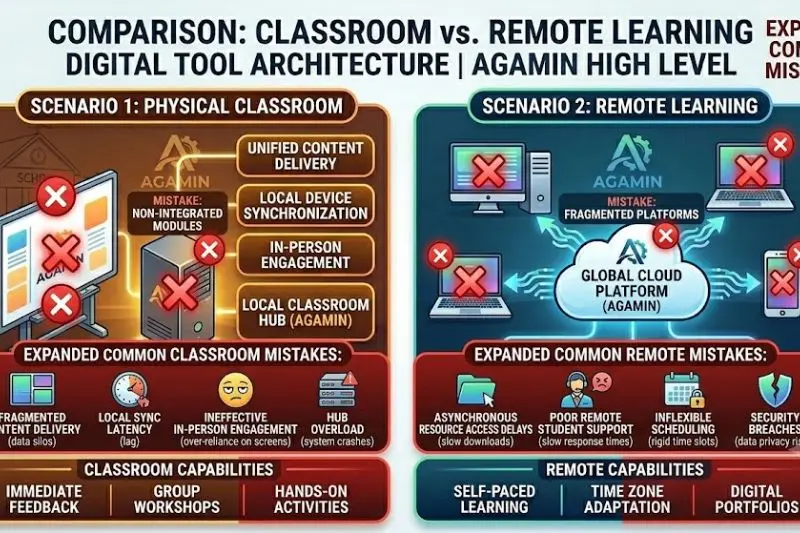
Many educators make the mistake of focusing too much on technology rather than teaching quality. Tools should support learning, not replace effective teaching methods.
Another mistake is ignoring student feedback. Students can provide valuable insights into what is working and what is not.
Some institutions also fail to update their systems regularly, which leads to outdated learning environments and technical issues.
Expanded Expert Tips
Experts suggest combining traditional teaching methods with digital tools for the best results. This blended learning approach improves understanding and retention.
Teachers should also keep lessons simple and avoid overloading students with too much information at once. Clear instructions and structured content are essential for effective learning.
Regular communication between teachers and students also plays a key role in maintaining engagement and motivation.
Closing Enhancement Notes
Digital transformation in education is not a one-time change but an ongoing journey that requires commitment from schools, teachers, students, and parents. Successful integration of modern learning platforms depends on how well they are understood and applied in daily teaching practices.
As institutions continue to adopt new technologies, the focus should remain on improving learning quality rather than simply increasing digital usage. Thoughtful implementation ensures that students gain real educational value from every tool they use.
Another important aspect is adaptability. Education systems must remain flexible to accommodate new innovations, whether in software, hardware, or teaching methods. This flexibility ensures that learning environments stay relevant in a rapidly changing world.
Collaboration between educators and technology developers will also play a key role in shaping future learning systems. By working together, they can design more effective and user-friendly platforms that meet real classroom needs.
Ultimately, the goal of modern education technology is to empower learners. When used wisely, digital tools help students develop critical thinking, creativity, and problem-solving skills that are essential for future success in any field they choose.
With continuous improvement, proper training, and balanced usage, digital learning environments can deliver long-lasting benefits and create a more connected global education system.
Education continues to evolve as technology becomes more integrated into everyday learning environments. Schools that invest in training, infrastructure, and digital literacy will be better prepared for future challenges. Students will benefit from more personalized learning paths, improved access to resources, and stronger engagement through interactive and adaptive educational experiences across all levels and continuous skill development programs.
