


We live in a world where connection defines our personal and professional success. Every day, we exchange thousands of words, gestures, and signals, yet many of us struggle to truly connect. Knowing how to improve communication skills effectively is no longer just an optional soft skill for your resume. Instead, it is a foundational life tool that can transform your relationships, accelerate your career, and boost your daily confidence. When you master the art of sharing ideas clearly, you unlock doors that once seemed entirely closed.
Many beginners and intermediate communicators feel overwhelmed by the sheer volume of advice available today. You might wonder if you need to completely change your personality or become an overnight extrovert to be heard. The great news is that great communication is a learned behavior, not an inherent trait. By focusing on small, deliberate adjustments to how you listen, speak, and read body language, you can rapidly enhance your impact. This comprehensive guide will walk you through the exact steps needed to refine your interactions and help you express your thoughts with absolute clarity and poise.
What is Effective Communication?
Effective communication is the structured process of exchanging information, thoughts, and feelings in a way that the message is received and understood with clarity and purpose. It goes far beyond the mere act of speaking words out loud. True communication requires a bidirectional flow where both the sender and the receiver are fully aligned. It involves a delicate balance of verbal delivery, vocal tone, non-verbal cues, and deep psychological awareness.
When you look closely at high-level interactions, you notice that the best communicators do not just focus on their own output. They pay close attention to how their message lands. If you speak clearly but your audience misinterprets your intent, communication has broken down. Therefore, this skill set includes the ability to adapt your style to different audiences, cultural contexts, and emotional environments without losing the core meaning of your message.
Why is Mastering Communication Skills Important?
Understanding how to improve communication skills effectively matters because your words dictate your reality. In professional environments, clear interaction minimizes costly operational errors, aligns teams, and establishes robust leadership. Employees who articulate their ideas clearly are far more likely to secure promotions, win lucrative contracts, and resolve workplace conflicts before they escalate.
On a personal level, high-quality interaction forms the bedrock of meaningful, long-lasting relationships. It allows you to set healthy boundaries, express your emotional needs, and offer genuine support to friends and family. Without these tools, misunderstandings fester, leading to resentment and unnecessary distance. Ultimately, investing time into your conversational abilities elevates your emotional intelligence and ensures that you can navigate complex social landscapes with minimal friction.
Detailed Step-by-Step Guide to Enhancing Your Skills
Step 1: Cultivate Active Listening Habits
The most common mistake people make is listening only to reply, rather than listening to understand. Active listening requires your full, undivided attention. You must quiet your internal monologue and focus entirely on the speaker’s words, tone, and pacing.
To practice this effectively, use verbal nods like “I understand” or “That makes sense.” Additionally, repeat core ideas back to the speaker to confirm your understanding. For example, you can say, “It sounds like you are feeling overwhelmed by the project deadline, is that right?” This simple technique instantly builds trust and validates the other person’s perspective.
Step 2: Master Your Non-Verbal Signals
Your body often speaks long before your mouth opens. Non-verbal communication includes your posture, facial expressions, eye contact, and hand gestures. If your words are positive but your arms are tightly crossed, people will instinctively trust your body language over your spoken words.
Maintain open posture by keeping your arms uncrossed and tilting your body slightly toward the speaker. Make consistent, natural eye contact to signal engagement, but avoid intense staring, which can feel confrontational. Remember to smile when appropriate, as a warm expression instantly lowers the defense mechanisms of those around you.
Step 3: Refine Clarity and Conciseness
A brilliant idea can easily be lost in a sea of unnecessary filler words and rambling sentences. To communicate with high impact, you must learn to get straight to the point without sacrificing essential context. Prioritize structure over volume.
Before you speak or write an email, identify your primary objective. State that objective early on, support it with two or three key points, and conclude with a clear call to action. Eliminate empty phrases like “I just think” or “in my personal opinion,” as they dilute your authority and lengthen your delivery unnecessarily.
Step 4: Develop Deep Emotional Intelligence
Empathy is the secret weapon of all master communicators. Emotional intelligence involves recognizing your own emotional state and accurately reading the emotions of the people around you. This awareness prevents reactive outbursts and fosters collaborative dialogue.
When entering a difficult conversation, take a brief moment to analyze the room. Ask yourself what the other person might be experiencing or risking in this scenario. By validating their emotional reality first, you disarm hostility and create a safe environment where real solutions can be discussed rationally.
Step 5: Master the Art of Constructive Feedback
Giving and receiving feedback is an unavoidable part of personal growth and professional life. The key to effective feedback is keeping it completely objective and action-oriented. Never make feedback personal or attacking.
Use the “sandwich method” by starting with a genuine compliment, delivering the core critique, and ending with an encouraging statement. Focus strictly on behaviors rather than personality traits. Instead of saying, “You are always careless with details,” try saying, “I noticed a few formatting errors in the latest report; let’s look at how we can clean those up next time.”
Major Benefits of Having Strong Communication Skills
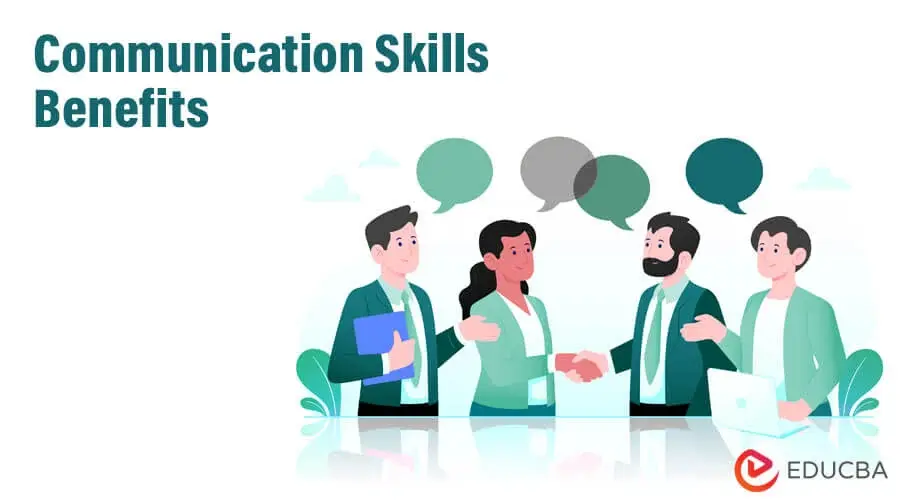
- Rapid Career Advancement: Professionals who can pitch ideas elegantly and lead meetings confidently are consistently fast-tracked for leadership roles.
- Stronger Personal Relationships: Open, honest dialogue eliminates toxic assumptions and builds deep intimacy with partners, friends, and family.
- Efficient Conflict Resolution: Clear speakers can de-escalate intense arguments by addressing root issues logically without emotional volatility.
- Elevated Self-Confidence: Knowing you can handle any social scenario or public speaking engagement radically reduces social anxiety.
- Enhanced Influence and Persuasion: Whether you are selling a product or proposing a weekend plan, clear articulation makes your ideas highly compelling.
- Improved Team Collaboration: Clear instructions reduce workplace confusion, saving countless hours of repetitive work and frustration.
Disadvantages and Risks of Poor Communication
- Severe Professional Misunderstandings: Vague instructions can lead to missed deadlines, ruined client relationships, and lost company revenue.
- Chronic Loneliness and Isolation: An inability to express your true thoughts can leave you feeling deeply misunderstood and socially disconnected.
- Increased Workplace Stress: Constantly walking on eggshells due to poor team communication causes burnout and low morale.
- Damaged Personal Reputation: Poorly phrased comments can easily make you appear aggressive, uncaring, or unprofessional to your peers.
- Missed Lifelong Opportunities: Failing to speak up during critical moments means your ideas, talents, and contributions go completely unnoticed.
Common Communication Mistakes to Avoid
Even seasoned professionals fall into bad habits that undermine their messages. Recognizing these traps is the first major step toward permanent behavioral change.
- Constantly Interrupting Others: Cutting people off mid-sentence signals that you value your own thoughts far more than theirs, instantly destroying conversational rapport.
- Overusing Digital Devices: Looking at your phone while someone is speaking tells them that they are not worth your time or focus.
- Using Passive-Aggressive Language: Hints, sarcasm, and subtle jabs confuse listeners and prevent actual problems from being resolved cleanly.
- Ignoring Cultural Context: Assuming everyone interprets gestures, humor, or idioms exactly the same way can lead to unintentional offense.
How do I handle a conversation with someone who refuses to listen?
When dealing with defensive or stubborn individuals, avoid matching their aggressive energy. Shift your strategy from making statements to asking open-ended questions. Ask things like, “What are your primary concerns regarding this proposal?” This forces them to articulate their logic and naturally lowers their defenses.
Can online tools and writing apps truly improve my verbal skills?
Yes, written and verbal skills are deeply connected. Practicing structured writing forces your brain to organize thoughts logically, which naturally carries over into your spoken conversations. Reading widely and writing daily helps expand your active vocabulary and refines your ability to build clean, concise sentences under pressure.
How do I communicate clearly when under immense emotional stress?
When emotions run incredibly high, hit the pause button. It is perfectly professional to say, “I want to give this topic the focus it deserves, so let’s take a fifteen-minute break and revisit it.” This brief window allows your logical mind to regain control over your emotional responses.
What role does eye contact play in modern professional communication?
Eye contact acts as a social validator that signals honesty, confidence, and engagement. In western business cultures, maintaining eye contact for roughly 60% to 70% of the conversation is considered the sweet spot. Any less can make you seem detached or insecure, while significantly more can feel uncomfortable.
What is the fastest way to overcome public speaking anxiety?
The quickest way to manage speech anxiety is through thorough physical preparation and controlled breathing. Rehearse your material aloud multiple times until the structure becomes second nature. Before stepping up to speak, take slow, deep breaths into your abdomen to actively calm your nervous system, and remember to view the audience as allies who want you to succeed.
How do I handle a conversation with someone who refuses to listen?
When dealing with defensive or stubborn individuals, avoid matching their aggressive energy. Shift your strategy from making statements to asking open-ended questions. Ask things like, “What are your primary concerns regarding this proposal?” This forces them to articulate their logic and naturally lowers their defenses.
Expert Tips and Bonus Strategies for Long-Term Success
To truly solidify your progress, implement these advanced daily habits:
- Record and Review Yourself: Use your smartphone to record yourself giving a short speech or explaining a concept. Watch the footage objectively to identify filler words, awkward pacing, or nervous physical tics.
- Read Fiction Regularly: Studies show that reading literary fiction directly expands your emotional vocabulary and significantly enhances your capacity for empathy.
- Practice the 3-Second Rule: Before responding to a complex question, pause deliberately for three full seconds. This brief silence makes you appear measured, thoughtful, and highly confident.
Conclusion
Learning how to improve communication skills effectively is a lifelong journey that yields massive returns on your time and effort. By shifting your focus from simply talking to deeply understanding, you change the entire dynamic of your daily social interactions. Every conversation you have is a fresh opportunity to practice active listening, refine your body language, and express your ideas with greater precision.
Commit to making small, incremental changes every single day. Be patient with your progress, as breaking old conversational habits takes time. As your clarity and confidence grow, you will notice a profound shift in how people respond to your presence, your leadership, and your ideas. Your voice is a powerful instrument—take the time to learn how to play it beautifully.
