


Introduction
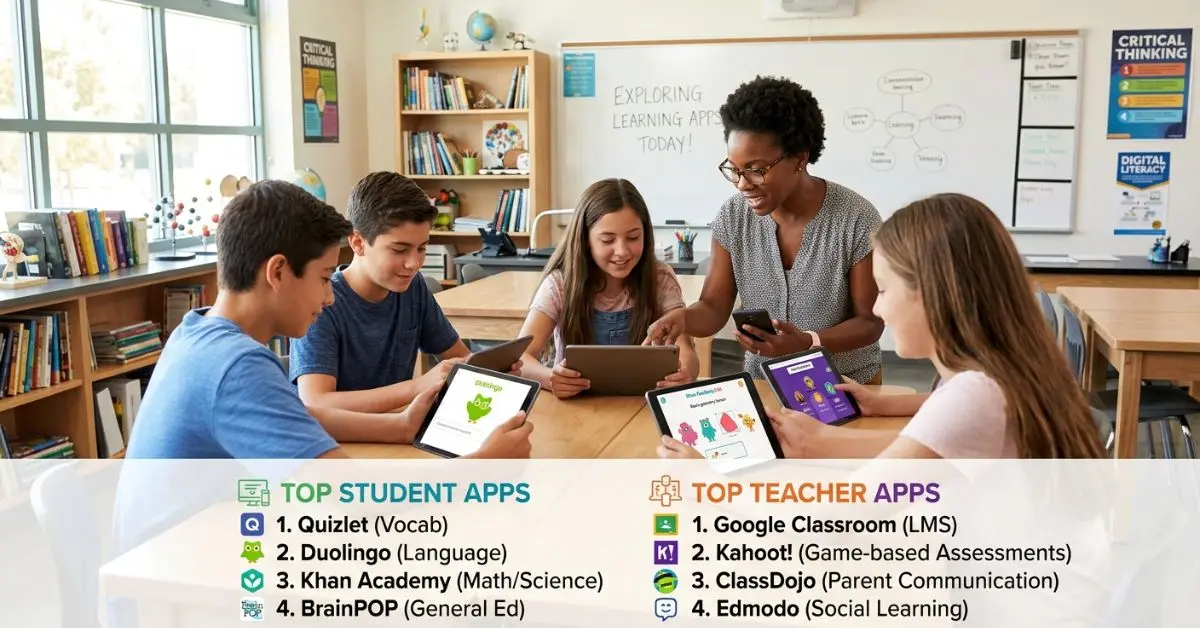
Technology has transformed the way people learn, teach, and share knowledge. Today, educational apps have become essential tools for students and teachers who want to improve learning outcomes, save time, and stay organized. Whether someone is studying for exams, learning a new skill, managing assignments, or conducting online classes, the right digital tools can make the process easier and more effective.
The best educational apps for students and teachers provide interactive learning experiences that go beyond traditional textbooks. These applications help users access educational content anytime and anywhere, making learning more flexible and engaging. Students can practice lessons, take quizzes, create study plans, and collaborate with classmates. Teachers can design lessons, track student progress, communicate with learners, and manage classroom activities more efficiently.
As schools and educational institutions continue to embrace digital learning, choosing the right apps has become increasingly important. With thousands of options available, it can be challenging to determine which ones offer real value.
This guide explores the best educational apps for students and teachers, explains their importance, provides a practical selection process, highlights benefits and risks, and shares expert tips for maximizing results. Whether you are a beginner or an experienced educator, this comprehensive article will help you make informed decisions and enhance the learning experience.
What is Best Educational Apps for Students and Teachers?
The term best educational apps for students and teachers refers to digital applications specifically designed to support teaching, learning, communication, assessment, and academic productivity.
These apps cover a wide range of educational needs, including:
- Online learning
- Virtual classrooms
- Assignment management
- Note-taking
- Language learning
- Test preparation
- Collaboration
- Content creation
- Skill development
Popular educational apps often combine user-friendly interfaces with interactive features that encourage active participation. They may include videos, quizzes, flashcards, discussion boards, live classes, and progress tracking tools.
For students, these apps make learning more engaging and personalized. For teachers, they simplify classroom management and improve communication with learners.
Examples of educational app categories include:
- Learning management systems
- Quiz and assessment tools
- Productivity applications
- Language-learning platforms
- Subject-specific learning apps
- Collaboration and communication tools
The goal of these applications is to create a more efficient, accessible, and enjoyable learning environment.
Why is Best Educational Apps for Students and Teachers Important?
Educational technology is no longer optional in many learning environments. The best educational apps for students and teachers play a critical role in modern education.
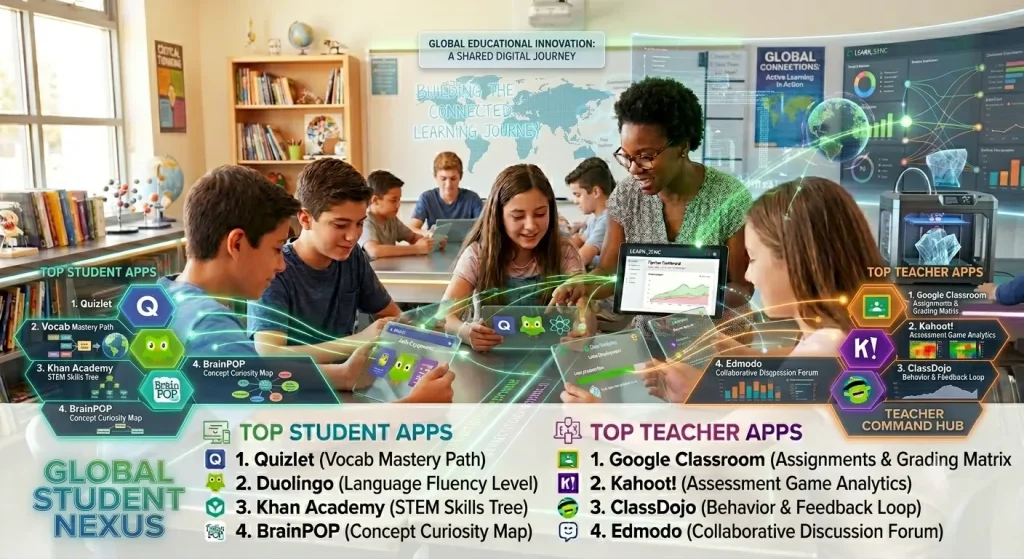
First, they improve accessibility. Students can learn from virtually anywhere using smartphones, tablets, or computers.
Second, they support personalized learning. Different students learn at different speeds, and educational apps allow learners to progress according to their individual needs.
Third, they encourage engagement. Interactive activities, quizzes, videos, and gamified lessons often increase motivation and participation.
Teachers also benefit significantly. Educational apps automate routine tasks such as grading, attendance tracking, and assignment distribution.
Additionally, these tools improve communication between students, teachers, and parents. Instant notifications and messaging features help everyone stay informed.
Educational apps are particularly valuable for remote learning and hybrid classrooms, where digital communication and resource sharing are essential.
Ultimately, the right apps help create a more organized, productive, and effective educational experience for everyone involved.
Detailed Step-by-Step Guide
Step 1: Identify Learning Objectives
Before selecting any educational app, determine your goals.
Ask questions such as:
- Do you need help with exam preparation?
- Are you looking for classroom management tools?
- Do you want to improve collaboration?
- Is language learning your primary focus?
Clear objectives make app selection easier.
Step 2: Evaluate User Friendliness
An educational app should be easy to use.
Look for:
- Simple navigation
- Clean design
- Clear instructions
- Quick setup process
Complicated interfaces can reduce productivity and discourage regular use.
Step 3: Check Educational Value
Not every educational app delivers meaningful learning outcomes.
Review features such as:
- Curriculum alignment
- Interactive lessons
- Practice exercises
- Progress tracking
- Feedback systems
Apps should contribute directly to learning goals.
Step 4: Compare Popular Educational Apps
Several applications consistently perform well for students and teachers.
For Students:
- Google Classroom
- Khan Academy
- Quizlet
- Duolingo
- Photomath
For Teachers:
- Google Classroom
- Kahoot
- Microsoft Teams
- Nearpod
- Canva for Education
Each app offers unique benefits depending on educational needs.
Step 5: Test Free Versions First
Many educational apps offer free plans.
Before purchasing premium subscriptions:
- Explore available features
- Test usability
- Evaluate learning outcomes
- Gather feedback from users
This approach minimizes unnecessary expenses.
Step 6: Integrate Apps Into Daily Learning
Consistency is essential.
Students can:
- Schedule study sessions
- Complete quizzes regularly
- Review notes daily
Teachers can:
- Share resources
- Assign digital homework
- Conduct interactive assessments
Regular usage increases effectiveness.
Step 7: Monitor Progress
Track results over time.
Measure:
- Academic performance
- Assignment completion rates
- Student engagement
- Learning speed
Data helps determine whether an app is delivering value.
Step 8: Update and Adapt
Educational technology evolves rapidly.
Review available tools periodically and replace outdated apps when better alternatives become available.
Staying current ensures optimal learning experiences.
Benefits of Best Educational Apps for Students and Teachers
The best educational apps for students and teachers offer numerous advantages:
- Improve learning flexibility and convenience
- Provide access to educational content anytime
- Support personalized learning paths
- Increase student engagement and participation
- Encourage independent learning habits
- Simplify assignment management
- Enhance communication between teachers and students
- Reduce administrative workload
- Enable real-time progress tracking
- Support remote and hybrid learning environments
- Improve collaboration among classmates
- Offer interactive and multimedia learning experiences
- Help students develop digital literacy skills
- Save time through automation
- Make education more accessible for diverse learners
These benefits contribute to stronger academic outcomes and better classroom experiences.
Disadvantages / Risks
Despite their advantages, educational apps also have limitations and risks.
- Excessive screen time may affect concentration and health
- Some apps require paid subscriptions
- Internet access may be necessary for full functionality
- Data privacy concerns can arise
- Students may become distracted by unrelated digital activities
- Technical issues can interrupt learning
- Not all educational content is high quality
- Overreliance on technology may reduce traditional learning skills
- Device compatibility issues may occur
- Frequent updates can create usability challenges
Understanding these risks helps users make smarter decisions.
Common Mistakes to Avoid
Many students and teachers fail to maximize the value of educational apps because of avoidable mistakes.
One common mistake is downloading too many applications at once. Managing numerous platforms can create confusion and reduce productivity.
Another mistake is ignoring learning objectives. An app should serve a specific purpose rather than being selected solely because it is popular.
Many users also fail to explore available features. Educational apps often include valuable tools that remain unused.
Lack of consistency is another major issue. Occasional use rarely produces meaningful results.
Some teachers introduce new apps without proper training. This can frustrate students and reduce adoption rates.
Ignoring privacy settings is also risky. Users should review permissions and protect personal information whenever possible.
Finally, relying exclusively on digital tools can limit learning diversity. Educational apps should complement traditional learning methods rather than completely replace them.
FAQs
What are the best educational apps for students and teachers?
Some of the most widely used options include Google Classroom, Khan Academy, Quizlet, Kahoot, Duolingo, Nearpod, and Canva for Education. Each serves different educational purposes, making it important to select apps based on specific needs.
Are educational apps suitable for all age groups?
Yes. Educational apps are available for preschool learners, school students, college students, and adult learners. Many platforms offer age-appropriate content and learning experiences.
Can educational apps replace traditional teaching?
No. Educational apps are valuable support tools, but they work best when combined with effective teaching practices, classroom interaction, and hands-on learning experiences.
Are free educational apps effective?
Many free educational apps provide excellent value. However, premium versions may offer additional features such as advanced analytics, expanded content libraries, and enhanced customization options.
How do teachers choose the right educational app?
Teachers should evaluate learning objectives, usability, educational value, student needs, privacy protections, and budget considerations before selecting an application.
Do educational apps improve academic performance?
When used consistently and appropriately, educational apps can improve understanding, engagement, organization, and study habits, which often contribute to stronger academic performance.
What features should students look for in educational apps?
Students should prioritize apps that offer interactive content, progress tracking, personalized learning, easy navigation, and reliable educational resources.
Are educational apps safe for children?
Most reputable educational apps are designed with safety measures. Parents and educators should still review privacy policies, monitor usage, and ensure appropriate content access.
Expert Tips & Bonus Points
To get the most value from the best educational apps for students and teachers, consider the following expert recommendations:
- Focus on quality rather than quantity when selecting apps.
- Create a consistent learning schedule.
- Use progress reports to identify strengths and weaknesses.
- Combine digital learning with offline activities.
- Encourage collaborative projects using educational platforms.
- Review app performance every few months.
- Keep devices updated for security and functionality.
- Explore premium features only when they provide clear benefits.
- Set measurable learning goals.
- Gather feedback from students regularly.
Bonus Points:
- Use flashcard apps for quick revision sessions.
- Incorporate gamified learning elements to increase motivation.
- Encourage students to track their own progress.
- Use collaborative tools for group assignments.
- Integrate multimedia content to support different learning styles.
These strategies help maximize educational outcomes while maintaining engagement and efficiency.
Conclusion
The best educational Discover the best educational apps for students and teachers to improve learning, productivity, collaboration, and classroom success. have become powerful tools in modern education. They provide flexibility, accessibility, engagement, and efficiency that traditional learning methods alone may not always deliver. From interactive lessons and digital assignments to collaboration platforms and progress tracking systems, these applications support a wide variety of educational goals.
For students, educational apps can improve organization, strengthen study habits, and make learning more enjoyable. They offer personalized experiences that allow learners to move at their own pace while gaining immediate feedback on their performance. Teachers benefit from streamlined classroom management, enhanced communication, and data-driven insights that help improve instructional strategies.
However, successful implementation requires thoughtful selection and consistent use. Users should focus on educational value, ease of use, privacy considerations, and alignment with learning objectives. It is also important to balance technology with traditional educational practices to create a well-rounded learning experience.
As digital learning continues to evolve, educational apps will play an increasingly important role in shaping the future of education. By choosing the right tools and using them strategically, students and teachers can unlock new opportunities for growth, collaboration, and academic success. Investing time in selecting the most suitable educational apps today can lead to more productive, engaging, and rewarding learning experiences tomorrow.
